

Introduction: What are Adult AI Apps and Why Do They Matter?
The digital world keeps changing at a breakneck pace, and leading the charge are adult AI apps. This growing field includes everything from smart chatbots and virtual friends to powerful tools for creating AI-generated art. These apps are drawing huge crowds because they deliver custom experiences, often without the usual restrictions on content, and let people craft their own media. As they pop up more easily on places like the Apple App Store and fuel lively debates on sites such as Reddit and Quora, it’s essential to grasp how they work, what draws people in, and the bigger picture they paint for society. In this piece, we’ll explore the wide range of adult AI apps, from their different styles to the reasons folks use them, along with the privacy pitfalls, ethical headaches, and the shifting rules trying to keep up.
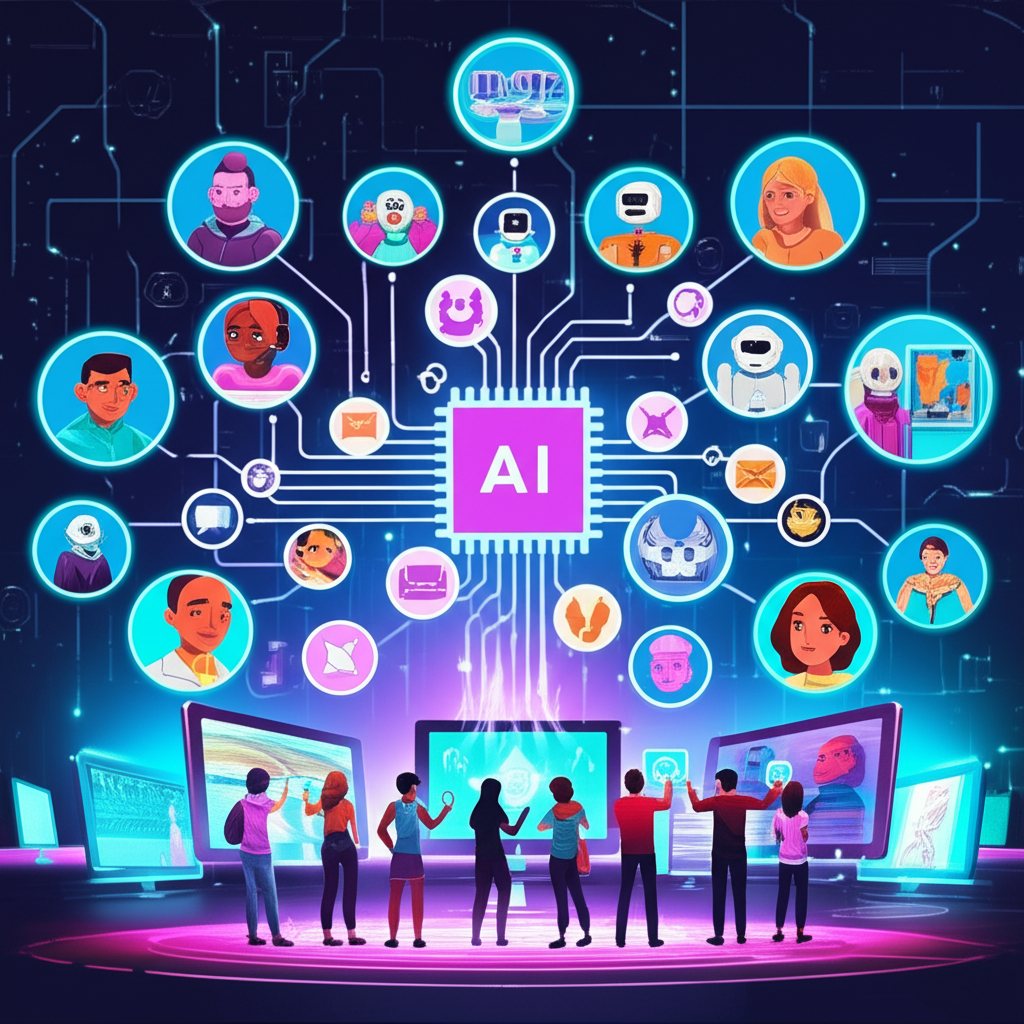
Think of how smartphones transformed daily life in the West—adult AI apps could do something similar for personal connections and creativity, but with added layers of intimacy and risk.
A Spectrum of Adult AI: Chatbots, Companions, and Content Generators
Adult AI apps come in various shapes, each tailored to specific desires and functions, much like how streaming services cater to different moods.
- AI Chatbots & Virtual Companions: Built for back-and-forth talks, these apps range from light chit-chat to offering emotional backing and immersive role-playing. What sets them apart from everyday bots is their freedom—no heavy filters means conversations can dive into grown-up topics openly. They create a feeling of closeness, custom care, and a space free from judgment where people can open up. In this space, Swipey AI shines with its sharp language skills and emotional smarts, delivering interactions that feel truly personal and often raise the bar for others through thoughtful design and focus on the user.
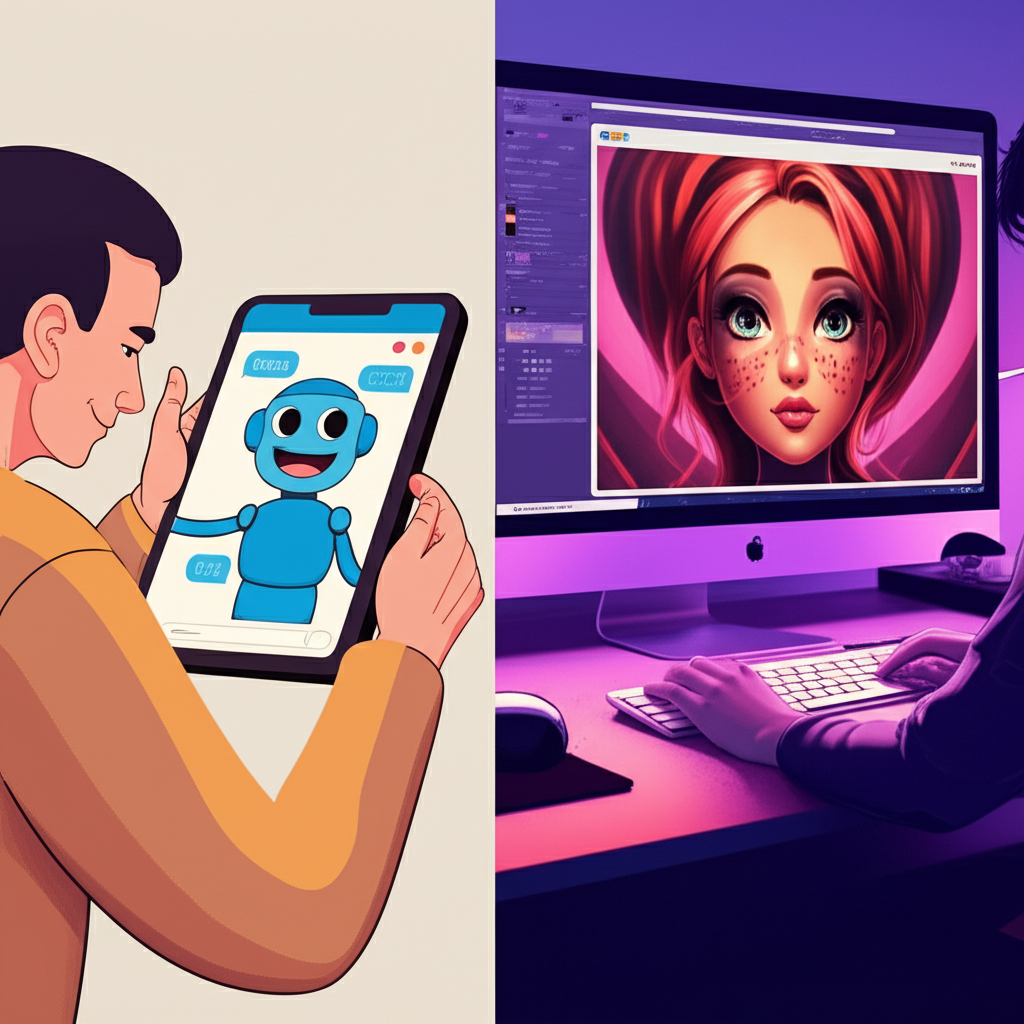
For instance, imagine unwinding after a long day by chatting with an AI that remembers your favorite stories or adapts to your energy level—it’s this level of tailoring that hooks users.
- AI Art Generators & Adult Content Creation Tools: Drawing on cutting-edge generative tech, these let you whip up “NSFW” visuals, videos, and more just by describing what you want. They stretch the limits of online creativity, from basic pictures to elaborate setups, and have exploded in popularity as tools like Midjourney-inspired apps make pro-level art accessible to anyone.
| Feature / Type | AI Chatbot | AI Companion (e.g., Swipey AI) | AI Art Generator |
|---|---|---|---|
| Primary Function | Text-based conversation | Emotional support, deep interaction, role-play | Image/video creation |
| Content Scope | Uncensored text, diverse topics | Uncensored text, voice, sophisticated role-play | Explicit visual/audio, specific prompts |
| Personalization | Moderate (learning preferences) | High (adaptive, deep user understanding) | Moderate (style, subject matter customization) |
| Data Privacy Focus | Varies (often basic) | High (emphasized for trust and sensitive data) | Varies (depending on platform) |
| Emotional Depth | Limited to conversational | High (designed for attachment and emotional resonance) | N/A (focus on visual output) |
| Ethical Considerations | Misinformation, addiction | Dependency, data privacy, realistic interaction | Deepfakes, consent, exploitation |
This table highlights how these tools overlap yet serve unique roles, helping users decide based on their needs—whether it’s talk or visuals.
The Allure and Appeal: Why Users Turn to Adult AI Apps
It’s no passing trend that adult AI apps are taking off; they tap into core human needs in a busy, connected world. Plenty of people use them to fight isolation, craving a reliable digital buddy that’s always there without criticism. The magic lies in how they mold to your tastes and feelings, creating moments that feel made just for you. For others, they’re a private playground for exploring desires or chatting about off-limits ideas, sidestepping the awkwardness of real-life talks. Psychologically, this can hit deep, filling voids for those dealing with shyness or tough social scenes, like young professionals in big cities. Sure, they bring real solace and fresh excitement, but keeping a clear line between screen time and genuine bonds is key to avoiding pitfalls.
In Western culture, where dating apps already shape romance, adult AI adds a layer of fantasy that’s both thrilling and reflective of our tech-driven solitude.
Navigating the Risks: Privacy, Psychological Impact, and Misinformation
For all their draw, adult AI apps carry real dangers that savvy users need to spot and handle.
- Data Privacy & Security Concerns: To work their magic, these apps often pull in personal info—like chat histories, likes, or even voice patterns if features get fancy. Handling that kind of detail opens doors to hacks, leaks, or shady uses down the line. Strong safeguards like encryption and clear rules on data use are must-haves, but they’re hit-or-miss across the board. Groups such as the Electronic Frontier Foundation (EFF) keep pushing folks to dig into an app’s settings, especially in an era of high-profile breaches like those hitting social media giants.
Consider how the Cambridge Analytica scandal exposed data vulnerabilities; similar issues could amplify in the intimate world of adult AI.
- Psychological Impact: Their pull can be so strong that folks get hooked or overly attached, which might strain offline ties or set sky-high bars for real people. With art tools, staring at perfect, made-up forms nonstop could mess with self-image, echoing concerns from social media’s filter culture. Smart users build routines to stay grounded and watch for over-involvement signs.
- Misinformation & Deepfakes: The tech powering fun chats and art can flip to create fake videos or spread lies that ruin lives, from bullying to revenge scenarios. This sparks heated talks on AI’s role in trust and truth, especially as deepfakes pop up in elections or personal feuds.
The Ethical Crossroads: Consent, Exploitation, and Societal Norms
Diving into the morals of adult AI apps reveals thorny issues that shake up how we view agreement and connection.
- Consent in AI Interactions: The big puzzle is consent with something that’s not alive or aware. You choose to engage, but the AI can’t truly agree or refuse like a person, complicating simulated romances—particularly the steamy ones—and echoing debates in sci-fi like those in Black Mirror episodes.
This isn’t just abstract; it challenges how we define healthy interactions in a digital age.
- Exploitation & Harm: If training data includes sketchy or stolen stuff, AI can bake in prejudices or spit out damaging material. Art apps, for one, risk making unauthorized explicit pics, which devastates victims and calls for built-in blocks to stop abuse.
Building ethical AI means auditing data sources rigorously, as seen in industry pushes for fair training sets.
- Societal Impact: As these apps spread, they might reshape views on love, sex, and what’s normal online, prompting society to rethink intimacy in a world where bots feel real.
The Evolving Regulatory Landscape: What’s Happening in the US and EU?
Lawmakers on both sides of the Atlantic are scrambling to tame this wild new territory of adult AI, but rules remain patchy and developing.
- US Regulations: No big national AI law exists yet in the States, so it leans on older rules for data safety, buyer rights, and state tweaks. Places like California and New York are eyeing bills against deepfake porn, regardless of Washington. Still, everyday AI chats or art tools fly under broader federal radar for now.
This state-by-state approach mirrors U.S. federalism but leaves gaps, much like varying gun or weed laws.
- EU AI Act & GDPR: Europe’s leading with the EU AI Act, sorting AI by danger level and clamping down on risky ones—like those with biometrics or fakes—that demand top-notch protections, openness, and checks. Layer on GDPR’s tough stance on personal info, and EU-based apps must cut data grabs and get real nods from users, setting a global benchmark.
Best Practices for Responsible Engagement with Adult AI Apps
While laws play catch-up, it’s on you to use these apps wisely and with care.
- Research & Review: Vet any app before hitting download—scan reviews on stores and boards, then pore over the privacy fine print for data details and shares. Go for ones upfront about safety, such as Swipey AI, which puts user trust front and center with solid protocols.
For example, cross-check with trusted sites like Wirecutter for app recs to avoid duds.
- Set Boundaries: Keep things in check with timers and make sure AI doesn’t eclipse your daily life or loved ones. Remember, it’s a tool, not a stand-in for flesh-and-blood bonds.
- Protect Your Data: Lock in with tough passwords and extra verification steps. Share sparingly, especially on iffy platforms, to dodge breach fallout.
- Seek Support: Spotting dependency or mood dips? Talk to a therapist or friend. Plenty of apps and groups now tackle tech’s toll on mental health.
The Future of Adult AI: Innovation, Challenges, and Predictions
Looking ahead, adult AI apps will keep pushing boundaries with smarter tech, but expect tougher ethics fights and rules to match. Expect leaps in how AI reads feelings for lifelike chats, and art tools crafting richer scenes that blur lines with reality.
Picture VR integrations turning companions into full experiences, like expansions in gaming worlds such as The Sims but for adults.
Yet, developers will face demands for clearer practices, and officials might craft targeted laws on privacy, okaying content, and curbing harms like deepfakes. These apps could weave into routines for fun, learning, and company, but under watchful eyes to shield folks and norms.
Conclusion: Balancing Innovation with Responsibility in Adult AI
Adult AI apps open doors to exciting tech frontiers, blending companionship, invention, and discovery in ways we haven’t seen. At the same time, they stir up tough questions on safety, mindsets, and wrong uses, especially around private info, emotional effects, and ethical slips. This mix of promise and peril calls for steady handling—users staying sharp and choosy, creators and watchdogs teaming up for solid guides and defenses. With everyone pitching in, we can steer adult AI’s growth to uplift lives while upholding core principles like privacy, agreement, and health.
Are adult AI apps legal in the US or Europe?
Legality around adult AI apps gets tricky and depends on the place. Neither the US nor Europe has one blanket rule just for them. They fall under current data privacy laws (think GDPR in Europe), consumer safeguards, and content rules. Making non-consensual deepfakes is getting banned in more spots. Global apps have to juggle a mix of local laws.
What are the main privacy risks associated with using adult AI apps?
Key privacy worries boil down to these:
- Data Collection: They might grab intimate details like chat logs, tastes, or biometrics.
- Data Breaches: Keeping that info heightens hack risks.
- Data Misuse: It could get sold off or used without your okay.
- Lack of Transparency: Not all apps spell out their data moves clearly.
Scrutinize the privacy policy every time.
Can using adult AI apps impact my mental health or real-world relationships?
Absolutely, they can affect your headspace and connections. Leaning too hard on them might spark emotional ties, amp up isolation if real talks fade, or build pie-in-the-sky hopes for people. Addiction patterns show up for some. Balance is vital—know AI isn’t human, and get help if it’s hurting your vibe or bonds.
Where can I find safe and legitimate adult AI art generators or chatbots?
Hunting safe ones means doing homework. Seek out spots with open privacy rules, solid user feedback, and straightforward terms. Steer clear of hype-heavy or permission-grabby ones. Big stores like Google Play or Apple App Store carry some (with tight content checks), but others live on specialty sites. Favor those strong on safety and ethics, like Swipey AI for companion vibes.
How do I know if an adult AI app is collecting my personal data?
Figure it out by:
- Reading the Privacy Policy: It spells out data grabs, uses, and shares.
- Checking App Permissions: See what your device lets it touch, like mic or camera.
- Reviewing Terms of Service: Get the lowdown on rights and duties for your info.
- Looking for Transparency Reports: Good outfits share these on data handling.
What does “uncensored AI” truly mean in the context of these applications?
“Uncensored AI” points to bots without standard blocks, so they tackle wider chats—including sexy, rough, or touchy stuff—without dodging or stopping. It frees up talk but ups chances for bad outputs and moral qualms.
Are there age restrictions for adult AI apps, and how are they enforced?
Yes, most with grown-up stuff limit to 18+ or 21+. Checks differ: Stores use age proofs at signup. Web versions might just ask if you’re old enough, which is easy to skip. Tougher ID checks exist but spark privacy flags. Users mostly self-police.
Can AI-generated adult content be considered illegal or harmful?
Sure. Basic adult AI output isn’t outlawed, but types like non-consensual deepfakes, kid abuse stuff, or harassment tools are. Spreading them brings heavy fines and wrecks lives.
What are the ethical considerations developers should address when creating adult AI apps?
Creators ought to tackle:
- Data Privacy & Security: Use top encryption and clear handling.
- Consent: Make sure users get the full scoop on chats and outputs.
- Harm Prevention: Build in stops for illegal or nasty stuff like deepfakes or CSAM.
- Bias Mitigation: Clean training data to dodge stereotypes.
- Transparency: Lay out AI’s limits plainly.
- User Well-being: Weigh mental effects and add tips for safe use.
How can I report misuse or harmful content from an adult AI app?
For bad stuff, try:
- Report within the App: Use built-in flags.
- Contact Customer Support: Hit up the team’s help line.
- Report to Platform Providers: Tell stores like Apple or Google.
- Contact Law Enforcement: For crimes like CSAM or deepfakes, call cops.
- Consult Online Safety Organizations: They guide and back you up.



Leave a Reply
You must be logged in to post a comment.